History of Marathi Ukhane Tradition
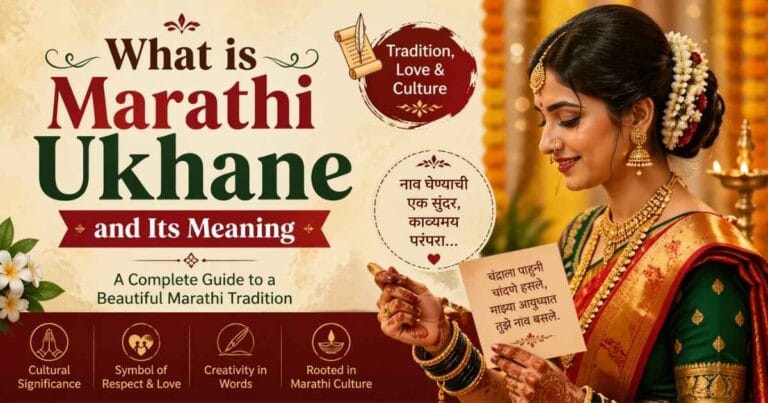
If you have ever attended a Marathi wedding or a traditional festival in Maharashtra, you might have heard something unique and charming—Marathi Ukhane. These are short poetic lines where a person takes their spouse’s name in a creative and respectful way. While it may sound simple, the tradition of Marathi Ukhane carries deep cultural roots and emotional value.
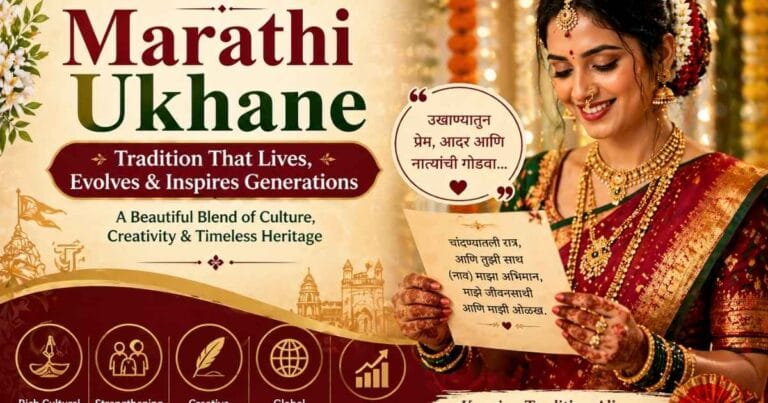
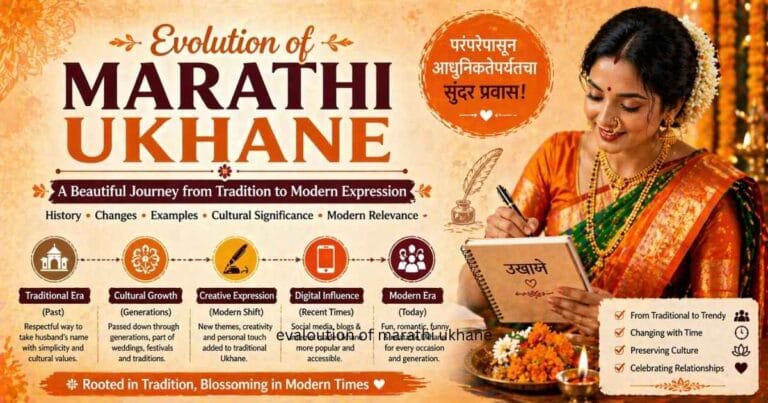
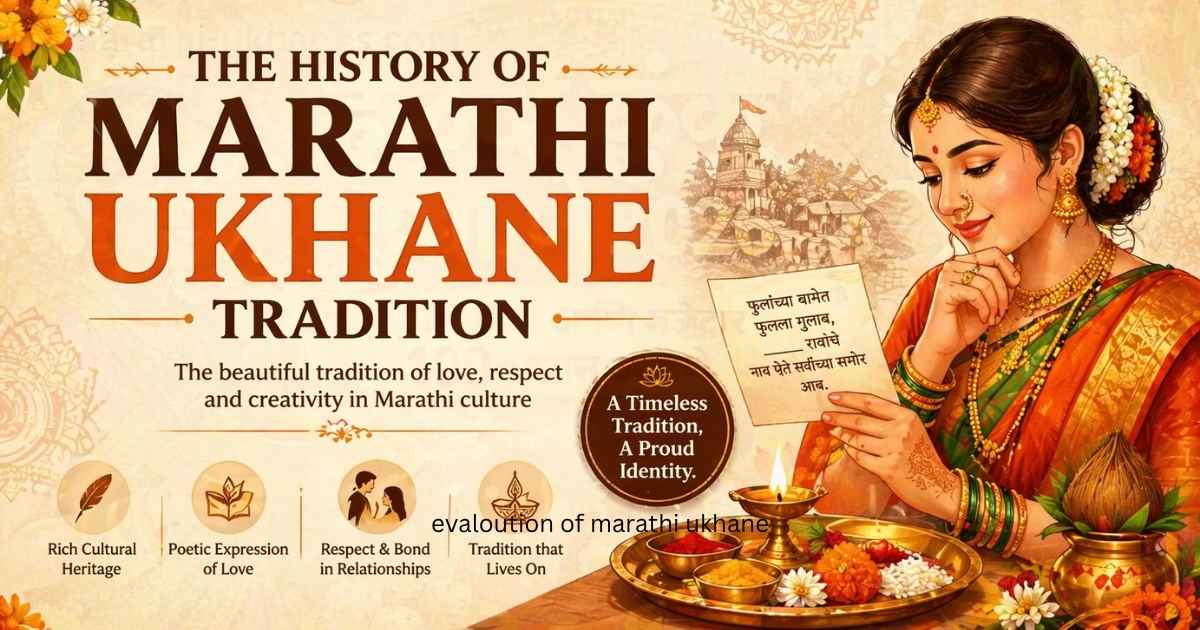
The history of Marathi Ukhane tradition goes back many generations and is closely connected with social customs, respect, and creativity in relationships. In earlier times, directly taking a husband’s name was considered inappropriate for women. So, they used poetic expressions—Ukhane—to mention the name indirectly in a graceful manner.
Today, this tradition has evolved into a fun and expressive cultural practice. Whether it is a wedding ceremony, Haldi-Kunku function, or festivals like Vat Purnima, Ukhane continue to bring smiles, laughter, and a sense of tradition. In this article, we will explore the origin, cultural importance, and modern relevance of Marathi Ukhane.
📜 Origins and History of Marathi Ukhane
The tradition of Ukhane dates back to ancient Maharashtra, when social customs placed great importance on modesty and respect, especially for married women. In those days, women were not supposed to take their husband’s name directly in public. It was seen as a sign of disrespect or boldness.
To overcome this restriction, a creative solution emerged—Ukhane. These were poetic lines that cleverly included the husband’s name within a rhyme or metaphor. This allowed women to follow cultural norms while still expressing their identity and relationship.
Initially, Ukhane were simple and traditional. They often included references to nature, daily life, or religious elements. For example, mentioning flowers, rivers, or gods was very common. Over time, this practice became an important part of Marathi culture and was passed down from one generation to another.
Ukhane were not limited to just women. In some communities, men also started taking their wife’s name using similar poetic styles, especially during wedding rituals. This added a sense of equality and fun to the tradition.
During traditional ceremonies like weddings, naming rituals, and festivals, Ukhane became a must. Families and communities encouraged creativity, and people took pride in coming up with unique and memorable lines. This turned Ukhane into not just a cultural practice, but also a form of art.
🏠 Cultural Importance and Meaning of Ukhane
Marathi Ukhane are more than just playful rhymes—they reflect emotions, relationships, and cultural values. One of the main reasons this tradition has survived for so long is because it beautifully blends respect with expression.
In Marathi culture, relationships are deeply valued, and Ukhane provide a way to celebrate them. When a woman takes her husband’s name through an Ukhane, it shows love, respect, and connection. At the same time, it also highlights her creativity and confidence.
Festivals like Vat Purnima, Haldi-Kunku, and Makar Sankranti are incomplete without Ukhane. During these occasions, women gather, perform rituals, and share Ukhane with each other. It creates a joyful and bonding atmosphere.
Ukhane also serve as a form of entertainment. Many people add humor, modern references, or personal touches to make their Ukhane unique. This keeps the tradition alive and relevant even in today’s fast-changing world.
📖 Here are a few simple examples to understand the style:
“चांदण्यांनी भरले आकाश सुंदर दिसतं, ___ रावांचे नाव घेताना मन आनंदी होतं.”
“फुलांच्या बागेत फुलला गुलाब, ___ रावांचे नाव घेते सर्वांच्या समोर आब.”
These examples show how simple words can create meaningful and beautiful expressions.
Another important aspect of Ukhane is their role in preserving language and culture. They encourage the use of Marathi language in a creative way, especially among younger generations.
📱 Modern Relevance of Marathi Ukhane
In today’s modern world, where lifestyles are changing rapidly, many traditional practices are fading away. However, Marathi Ukhane have managed to stay relevant by adapting to current trends.
Today, Ukhane are not just limited to traditional settings. They are widely shared on social media platforms, WhatsApp groups, and blogs. People search for “modern Marathi Ukhane,” “funny Ukhane,” and “romantic Ukhane” to use in different situations.
Modern Ukhane often include references to technology, movies, and daily life. For example:
“मोबाईल, इंटरनेट आणि WhatsApp चा जमाना, ___ राव आहेत माझे नंबर वन दीवाना.”
This shows how the tradition has evolved while still keeping its original essence.
For content creators and bloggers, Ukhane also present a great opportunity. By creating categorized, easy-to-read collections (like romantic, funny, short Ukhane), they can attract a wide audience and preserve cultural heritage digitally.
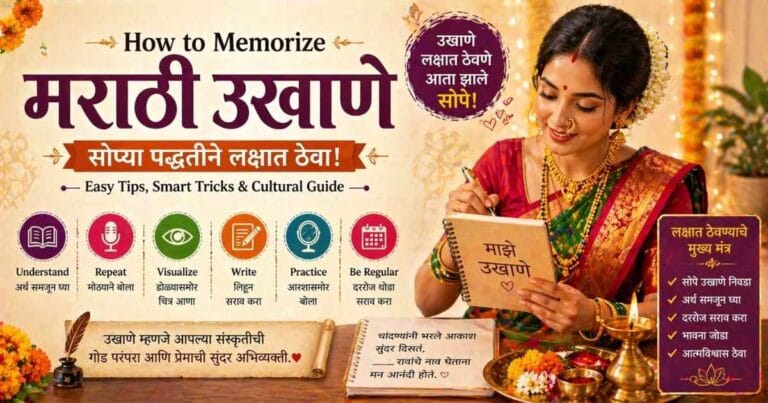
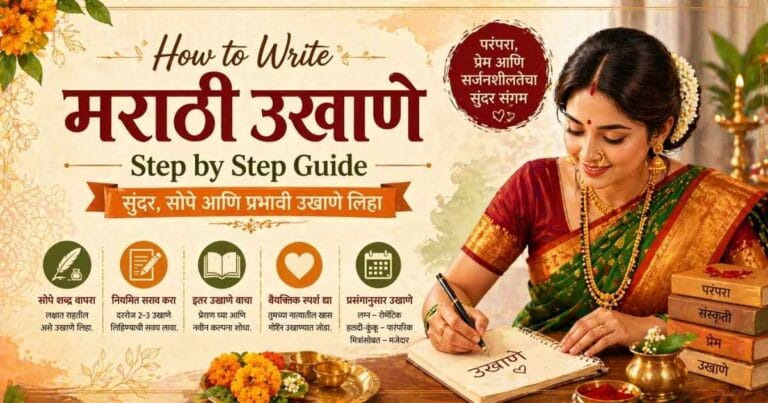
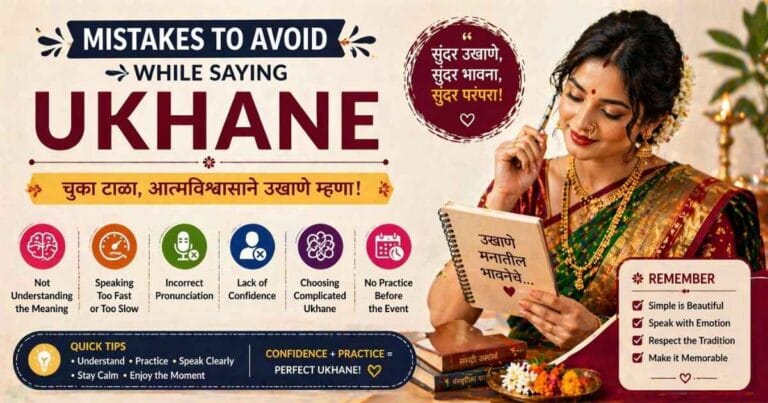
💡 If you want to use Ukhane effectively, here are some tips:
- Keep them short and easy to remember
- Add personal touch for uniqueness
- Match the tone with the occasion (funny, romantic, traditional)
- Practice before speaking in public
By following these simple tips, anyone can create and deliver a perfect Ukhane.
❓ FAQs
💫 Conclusion
The history of Marathi Ukhane tradition reflects the beauty of culture, creativity, and human connection. What started as a simple way to follow social customs has now become a cherished cultural expression.
From traditional poetic lines to modern, fun-filled expressions, Ukhane have evolved with time while maintaining their essence. They continue to bring joy to celebrations, strengthen relationships, and keep Marathi traditions alive.
In a world where traditions are often forgotten, Ukhane stand as a reminder of how culture can adapt and thrive. Whether you are newly married, attending a festival, or simply exploring Marathi heritage, learning and using Ukhane is a wonderful way to connect with this rich tradition.
So next time you hear an Ukhane, don’t just listen—understand the emotion, history, and creativity behind it.
💬 जर तुम्हाला हा लेख आवडला असेल तर नक्की शेअर करा आणि मराठी परंपरा जिवंत ठेवा! ❤️✨